
Event Sales Strategy: How to Increase Bookings and Protect Margins
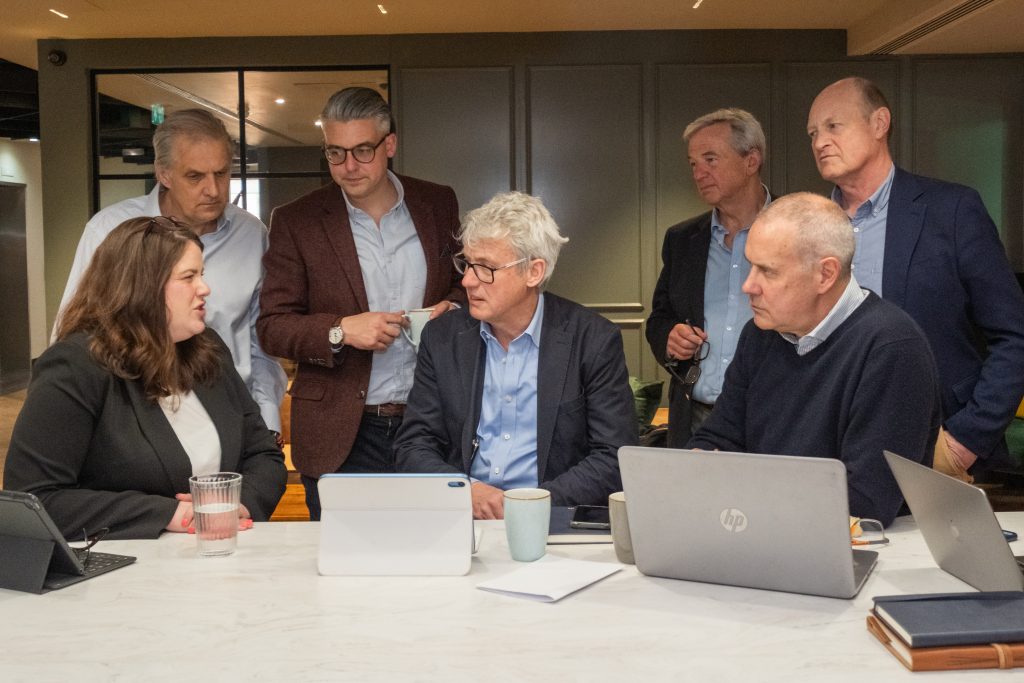
In events, sales isn’t a department – it’s the engine room. Dates perish, seasons spike, and capacity can’t be warehoused for later. If you don’t convert enquiries rapidly and consistently, you end up with empty rooms, discounting to fill space, and pressure on delivery teams to “make the numbers work” after the fact. Many events businesses experience the same commercial gaps slowing growth and squeezing margin. The upside? They’re fixable – and the fixes compound quickly.
Think of your commercial model as a show with one performance: the enquiry comes in, you qualify, propose, and close – often inside a few days. Small improvements at each step create outsized gains across the quarter. Below are the patterns we see most often, and the practical moves that lift revenue without adding headcount.
Common sales gaps in event businesses
- Low conversion – enquiries linger and don’t turn into bookings. Decisions stall, availability changes, and momentum dies.
- Untapped accounts – existing clients aren’t fully maximised. Annual calendars, cross-venue bundles and premium add-ons go unexplored.
- Unpredictable pipeline – over-reliance on inbound and word of mouth means feast or famine.
- Sales deprioritised – during busy delivery months, selling slides down the list and Q4 targets rely on a late surge.
- Generic training – sales guidance borrowed from other sectors misses event-specific realities like fixed inventory, lead times and value-add services.
How to boost event revenue and bookings (without extra headcount)
1) Obsess over conversion
Treat every enquiry like a show date: if you miss it, it’s gone. Aim to reply within a few hours during the working day or by the next morning if the enquiry is made out-of-hours. Measure first-touch speed, qualification rate and time-to-proposal. Introduce simple nudges: calendar holds, clear next steps, and expiry dates on proposals to keep momentum.
Quick wins
- Auto-acknowledge with expectations (“We’ll call you within 2 hours to confirm details”).
- A two-step follow-up cadence (T+24h and T+72h) built into your CRM tasks.
- Proposal templates that lead with outcomes and social proof, not line items.
2) Mine the accounts you already have
Your easiest revenue is sitting in your client list. Build lightweight account plans for your top 20 customers: map stakeholders, define the client’s calendar of moments, and propose the next best experience.
Quick wins
- Quarterly account reviews with a standard agenda (performance, upcoming dates, new formats).
- Simple bundles (venue + production + content support) that increase average order value.
- A “what changed?” prompt after each event to see if they have any new decision-makers or needs.
3) Make sales a team sport
Operations, finance and production all influence the sale. When ops join scoping calls, proposals are more grounded and delivery risk drops. When finance creates pricing guardrails, discounting becomes strategic, not reactive.
Quick wins
- Give non-sales teams key talking points to help answer any sales-related questions or handle objections more confidently.
- Standardise a pre-proposal huddle: ops confirms feasibility, finance confirms a budget, sales owns the close.
- Capture delivery insights post-event and feed them back into the next proposal.
4) Create demand – don’t wait for it
Inbound is welcome, but it shouldn’t be the plan. Build outreach around seasons, formats and sectors you know convert. Package offers with a clear outcome and deadline (“Q1 leadership offsite: designed, produced and delivered in 6 weeks”).
Quick wins
- Monthly outbound themes (e.g. awards season, investor days, internal kick-offs) with tailored collateral.
- Venue or date-led campaigns where you have strategic gaps to fill.
- A small “insights library” – short case notes you can attach to emails and proposals.
5) Protect margin with value-based pricing
Price the result, not just the inputs. Anchor to the commercial impact for the client – audience reach, sales enablement, employee engagement – and frame tiered options that make trading up easy.
Quick wins
- Publish price guardrails and approval rules for discounts.
- Offer “good / better / best” packages with clear outcomes at each level.
- Call out risk reduction and delivery certainty as part of the value story.
6) Standardise the process
Consistency wins. A disciplined CRM, defined follow-ups and clean templates shorten cycles and improve forecasting.
Quick wins
- Bake response and follow-up cadences into CRM tasks so nothing relies on memory.
- Use proposal and run-of-show templates that emphasise outcomes, timelines and next actions.
- Run a weekly pipeline review focused on decisions and blockers, not just counts.
A quick self-check
- Do we respond to new enquiries within hours, not days?
- Is every key account owner working to a live growth plan?
- Can we see 90 days of qualified pipeline by segment?
- Are ops and finance involved early to strengthen proposals?
- Do our proposals lead on outcomes, not line items?
- Is our CRM the single source of truth for tasks and next steps?
A practical 30-day commercial sprint
Strong event businesses sell like they deliver: on-time, rehearsed and measurable. When sales is treated as a system – not a heroic effort – three things happen: conversion steadies, average order value rises, and margin becomes predictable. The moves above aren’t theory; they’re the practical habits we install with teams who need results quickly.
If you’re looking for momentum in the next quarter, start with a 30-day commercial sprint:
- baseline your enquiry-to-booking metrics,
- choose two high-impact fixes (usually speed-to-first-touch and account growth),
- run a weekly review to remove blockers and lock in the routines.
Small, consistent improvements beat sporadic big pushes – and with perishable inventory, speed matters twice.
If you’d like a clear starting point, Kershaw Partners can run a focused health check and prioritise the changes that will move your numbers fastest – tailored to the realities of your venues, formats and clients. Get in touch here.
